A few weeks ago, I was skimming through Facebook and I saw a meme posted by a coach saying, “Unconditional love is the greatest gift you can give your child.” My immediate response was, “Not for ADHD children!”
Yes, unconditional love is important, vital, necessary. But think about this: your kids absolutely know that you love them unconditionally and, yet, they are still filled with angst and confusion, and so are you. They wonder what’s wrong with them and you wonder why they’re trapped in behavior that is so debilitating for everyone. That’s because unconventional children can’t be parented with conventional wisdom or conventional strategies. They require a different approach.
The greatest gift you can give your ADHD child, the gift that builds self-esteem, self-worth, self-confidence, resilience, and determination, is unconditional acceptance. It is unconditional acceptance that gives ADHD kids the strength to plow through all the obstacles they will encounter through their lives.
When you say, “We love you, no matter what,” they say, “I know.” Try saying, “We accept you unconditionally and we wouldn’t change a thing,” and see what happens.

Don’t let your fear keep you from giving your child the greatest gift of all
The idea of “Unconditional Acceptance” usually evokes resistance from parents. “It’s not true,” you might think to yourself. “There’s a lot I would change!”
We think that if we say, “We wouldn’t change a thing,” it means that we approve of our child or teen’s behavior; that we approve of their underachieving, their smart mouth, their hyper-focus on their phone and inattention towards, and lack of concern for, the family. But that’s not what it means. Acceptance and approval are not the same.
This fear stems from the fact that we have accepted what society says: that ADHD needs to be changed. We want our child to “fit in.” We believe that our children’s lives will be easier if no one can tell that they have ADHD. This fear stems from the fact that we have accepted that, despite its positive gifts, ADHD really is a deficit.
That’s not the point of view that I take.
I believe that there’s nothing wrong with your child as he/she is.
I’m a teacher at heart. I first started teaching when I was 14 years old (I taught Bar/Bat Mitzvah classes at my synagogue). When a child comes into the classroom, we don’t assume something is wrong with them, we assume they have more to learn. We know learning can be difficult, but we don’t think that needing to learn something makes them deficient. To me, life is about learning. I don’t assume that your child needs to change; I assume that your child needs to learn. Your child simply hasn’t learned the ADDITIONAL skills needed to function in the greater world. Likewise, you are probably an amazing parent to your non-ADHD kids, and you simply haven’t learned the ADDITIONAL skills needed to parent ADHD kids.
That is absolutely not your fault.
We’ve been taught that ADHD is a behavior disorder (look at the symptoms; it’s not) and we’ve been led to believe that since we’ve been taught how to parent, generally speaking, we can apply the same (or nearly the same) techniques to our ADHD children. We’ve been taught that we can overlay a conventional parenting template on our ADHD kids, tweak it a bit, and VOILA! they will thrive.
But you can’t use conventional strategies to parent an unconventional brain and no one tells us that!
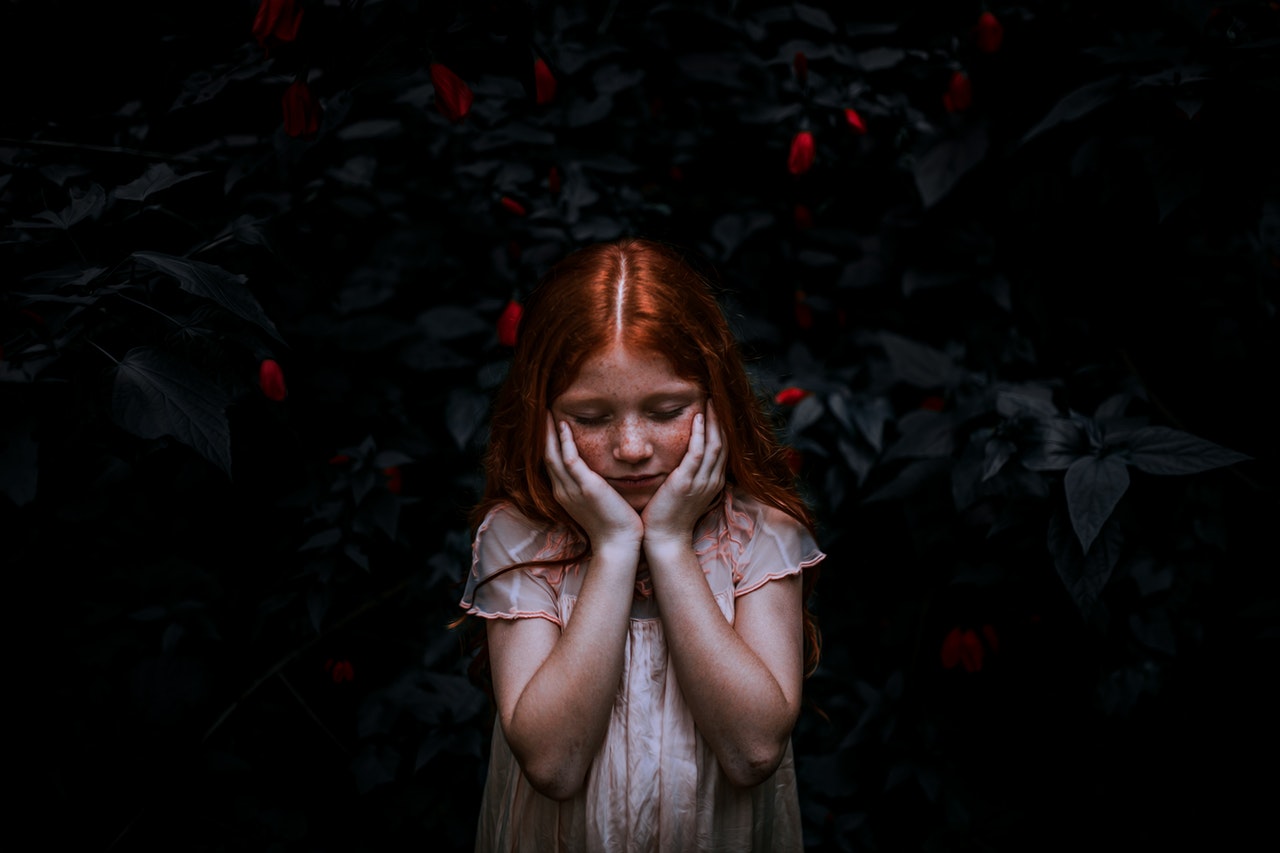
Difficult, but lovable, is not enough. Not by a long shot.
Being difficult or challenging is not a feel-good experience. Even knowing they are loved, your kids feel inadequate because they feel your pain or the pain of teachers, sports coaches, relatives, and others.
Let me ask you: how many of you have ever felt like an outsider?
Perhaps you moved from one country to another, and were fearful of the new language and new customs you were expected to learn. Perhaps you’ve attended an event for people that are smarter, richer, or more athletic than you are and you felt less than. Perhaps you decided to learn a new skill only to discover that you are woefully lacking. Now assume that, because you feel uncomfortable or because you’re asking questions or because you need help, people tell you that…
- You are being difficult
- You are disrupting the experience
- You are never going to belong until you change
It feels horrible, doesn’t it? This is what your ADHD children experience almost every day, in overt and covert ways. I know because I’ve been there myself, and I know because I’ve been working with ADHD kids and their parents since 1984, first as a teacher and school counselor and, currently, as a coach.
Now imagine how much happier and more confident you would feel if you had been welcomed into these scenarios. Perhaps people would ask, “What do you think?” Or, “What is your experience?” Perhaps people would say, “Let’s figure out a better way for you to learn.” Or, “I have complete faith in you and I’m here to help.”
Acceptance is a welcoming
Acceptance is a welcoming rather that a critique. Acceptance is a hand up instead of an obstacle. Acceptance meets you where you are instead of expecting you to rise to the occasion.
You may say that the difference between “Acceptance” and “Love” is just semantics, but it’s not just semantics to your child. ADHD children are notorious for having hyper-attuned sensibilities. Your intense, sensitive, brilliant child knows when he/she is accepted and when he/she is not. And that is a completely separate feeling from being loved.
Love makes us feel warm and squishy inside, but acceptance gives us wings. Acceptance gives our children security, autonomy, and value. Until our children feel worthwhile the way they are, they will either fight any and all efforts to change, or they will try to change and they will fail because they don’t need DIFFERENT skills, they need ADDITIONAL skills.
====================
What to do going forward?

I created “The Blocked To Brilliant Membership Club” to provide online parenting support to families around the world. Through coaching and classes, we teach how to more powerfully connect with your children, so your children can more powerfully connect with the world.
For the monthly fee of $18 (you can be a member for as long or as short as you want), you will learn how to parent your children’s unconventional brain.
The truth is: our children will never grow OUT OF their ADHD, but they can grow INTO their ADHD.
Learn more here, and join us: /join

Copyright 2018 Yafa Crane Luria All Rights Reserved